Photo: 8827rajneesh / Pixabay
It is remembered as a famine, which implies a failure of the harvest. But in 1943 Bengal grew enough to feed itself. The millions who starved died not from an empty land but from policy, priorities, and a war cabinet that decided their lives could wait.
We use the word “famine” as if it explains itself: the rains failed, the crops died, and people starved. It’s a story about nature, and it lets everyone off the hook. Nobody is to blame for the weather.
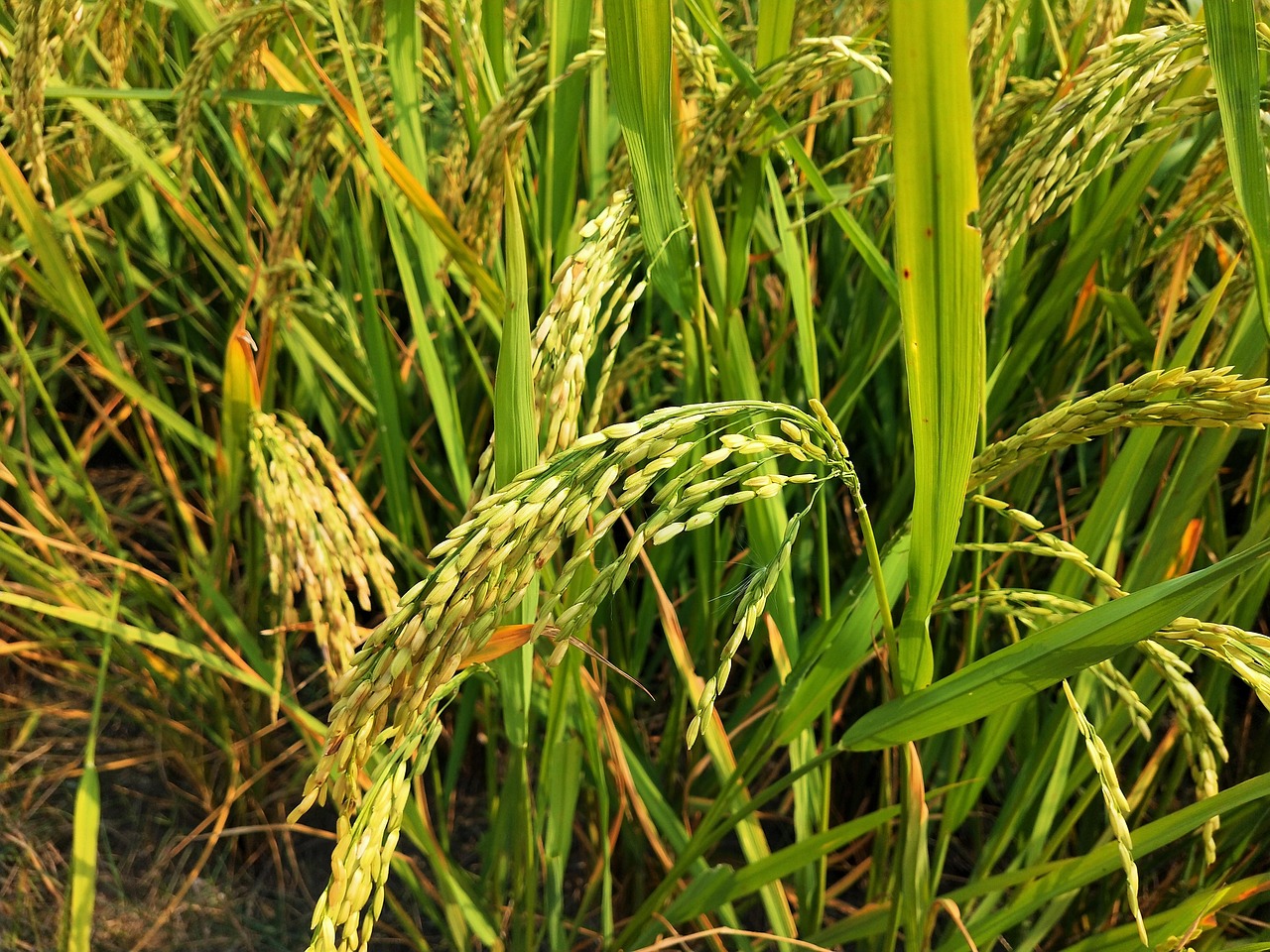
The Bengal Famine of 1943 was not that kind of story. Around three million people died in one of the most fertile regions on earth — and the most careful research since has reached a disturbing conclusion: there was enough food. Bengal’s own harvest that year was not far off normal. The people who starved did not die because the land had nothing to give. They died because they could no longer get it.
That distinction is everything.
Enough food, and mass death anyway
The economist Amartya Sen — who lived through the famine as a child and later won a Nobel Prize partly for his work on how famines actually happen — gave the phenomenon a name: “entitlement failure.” People starve, he argued, not necessarily when food runs out, but when they lose the ability to acquire it — when prices explode, wages collapse, and the market prices the poor out of eating.
That is exactly what unfolded in Bengal. The province was gripped by ferocious wartime inflation. The price of rice spiralled beyond the reach of labourers, fishermen, and the rural poor. Those with money and stockpiles hoarded; those without watched the cost of a day’s food climb past a day’s wage. The granaries were not empty. The purses were.
A war that ate the poor
The pressures came from every direction, and the empire’s choices sharpened all of them.
The Second World War had reached India’s doorstep. Japan had overrun neighbouring Burma, a major source of rice imports, cutting the supply. A cyclone had damaged part of the crop. But these shocks alone were survivable — what turned a hard year into a catastrophe was how the colonial government responded.
Fearing a Japanese invasion, British authorities pursued a “denial” policy in the region, removing rice and boats — the very means of transport and trade — from coastal areas so they couldn’t be used by an invader. Food was stockpiled to feed soldiers and city war-workers judged essential to the war effort. Considerable quantities of grain were exported to supply British forces elsewhere. Inter-provincial trade barriers stopped food from moving to where it was needed most.
And when the scale of the dying became clear, meaningful relief from Churchill’s war cabinet was slow and limited — justified, officials said, by a shortage of wartime shipping, even as ships carried grain in other directions. Historians still debate exactly how much was callous priority and how much was the fog of a world war. But the pattern is hard to miss: at every fork, the lives of Bengal’s poor came second.
Why “man-made” is the honest word
It would be dishonest to pin three million deaths on one man or one order. War, weather, hoarding, local traders, and provincial mismanagement all played their part, and serious historians argue over the weighting.
But the core finding has held up: this was, in the phrase most scholars now use, a man-made famine. Not because someone set out to kill millions, but because a chain of human decisions — about who mattered, what to export, whom to feed first — turned a manageable shortage into a mass grave. The food existed. The will to get it to the starving did not.
The famine we’re allowed to forget
Here is what should unsettle you. The Bengal Famine killed on the scale of the twentieth century’s named atrocities, yet it occupies almost no space in the popular memory of the country that ruled Bengal. It rarely appears in British classrooms. For decades it was filed under “wartime hardship,” a regrettable side-effect of a noble struggle.
Three million people is not a side-effect. It is one of the great catastrophes of the century, and it happened not in some remote past but within living memory, under a modern administration keeping meticulous records.
The lesson Sen drew from it is the one worth carrying: famines are rarely just about food. They are about power — who has the standing to command a meal and who does not. In 1943, an empire decided that the poor of Bengal did not. Remembering that isn’t about relitigating the past. It’s about recognising that starvation, more often than we like to admit, is a choice someone else makes.
Sources & further reading
Researched and written with the help of AI tools and edited for accuracy. Provided for general information and discussion only — not professional advice. See our editorial standards and disclaimer. Spotted an error? Tell us.
Enjoyed this? Get the next one.
One good read at a time, straight to your inbox. No spam, unsubscribe anytime.