Photo: Kikkakettu / Pixabay
When Britain ran short of oak for its navy, it turned to India — and Indian shipwrights built it warships from teak that outlasted anything the Royal Navy could make at home. One of them is still floating today, two centuries on. So why did the finest shipbuilding tradition in the empire quietly disappear?
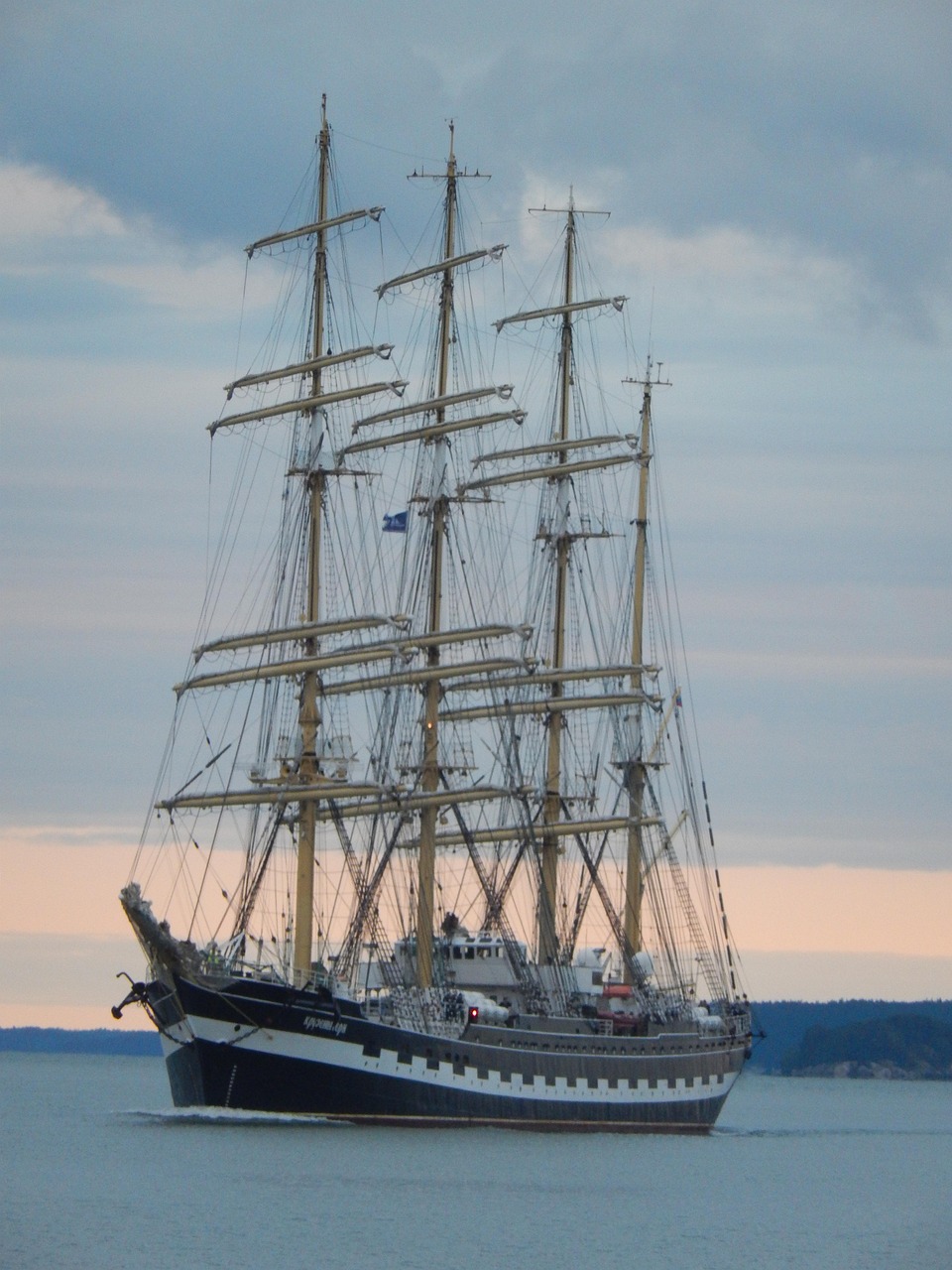
In a harbour in the north of England, at Hartlepool, floats a warship built in 1817. You can walk her decks. She is the oldest British warship still afloat — HMS Victory, Nelson’s flagship, is older, but she sits in a dry dock; this one is still in the water, still riding the tide, more than two centuries after she was launched.
Her name is HMS Trincomalee. And she was not built in Portsmouth, or Chatham, or on the Thames. She was built in Bombay, by Indian hands, out of Indian teak.
When the empire ran out of oak
By the early 1800s, Britain had a problem. The endless wars with Napoleon were eating warships faster than its forests could grow the oak to build them. English oak was scarce, slow-growing, and stretched to breaking.
India had something better. The forests of the Malabar coast produced teak — a timber that resisted rot, shrugged off the shipworm that devoured European hulls in tropical waters, and simply lasted. And on the docks of Bombay, there was a community of shipwrights who knew exactly what to do with it.
The family that built the Royal Navy’s best ships
At the centre of it were the Wadias, a Parsi family of master shipbuilders who ran the Bombay Dockyard for generations. Their reputation was not a matter of colonial charity. It was earned, ship by ship, and the Royal Navy — the most powerful navy on Earth — bought what they made.
Between 1777 and 1849, the Bombay Dockyard turned out an astonishing fleet for the British: ships of the line, frigates, sloops. Their teak vessels became famous for a quality British-built ships often lacked — sheer longevity. An oak warship might rot out in a decade or two; the Bombay teak ships sailed on and on. When the master builder Jamsetjee Bomanjee Wadia laid down Trincomalee, he hammered an engraved silver nail into her keel, a Parsi blessing for the ship’s long life. Two hundred years later, the blessing looks like a promise kept.
There’s an irony sharp enough to draw blood in one detail. Another Bombay-built teak warship, HMS Cornwallis, is remembered as the ship on whose deck the Treaty of Nanking was signed in 1842 — the treaty that ended the First Opium War and forced open China. An empire’s business, conducted on a deck built by the very people that empire ruled.
Better ships, and the wrong flag
Now hold two facts side by side. India was building warships good enough for the Royal Navy, out of a superior material, with a longevity British yards couldn’t match. That is not a country lacking in industrial skill. That is a world-class shipbuilding industry.
And yet, within a few decades, it was gone.
Part of the reason was raw commercial self-interest. Shipbuilders back in Britain did not enjoy watching Bombay-built ships prove cheaper, tougher, and longer-lived than their own. The web of navigation and registry laws that governed imperial trade was written to favour British-built, British-crewed ships; Indian-built vessels and Indian sailors found themselves disadvantaged in the very trade their quality had earned. An industry can be excellent and still be strangled by rules designed to protect its competitors.
The other reason was technology, and here the story is less about villains and more about timing. The mid-19th century brought the iron-hulled steamship — and iron and steam were the domain of British foundries and British engineering. Wooden sailing ships, however beautifully made, were becoming obsolete, and the future of shipbuilding was being forged in Glasgow and the northeast of England, not in Bombay. The skills of the teak shipwrights, honed over centuries, were suddenly attached to a dying craft.
The ship that outlived the argument
Put the two together — trade rules that favoured the home country, and a technological shift the home country controlled — and a superb industry had no path forward. It wasn’t dramatically abolished. It was allowed to fade, its shipwrights’ knowledge left to age out, until “Indian shipbuilding” became a historical curiosity rather than a living trade.
But Trincomalee is still floating. That’s the part that refuses to fade. Every plank of her is an argument against the lazy old story that India was a land of raw materials waiting for European industry to arrive and organise it. India didn’t need to be taught to build ships. It built some of the best ships in the world — good enough that the Royal Navy sailed them, good enough that one of them is still afloat when almost every oak ship of her generation is dust.
The industry that made her didn’t fail. It was outcompeted by rules and eclipsed by iron — and quietly, deliberately, not kept alive.
Sources & further reading
Researched and written with the help of AI tools and edited for accuracy. Provided for general information and discussion only — not professional advice. See our editorial standards and disclaimer. Spotted an error? Tell us.
Enjoyed this? Get the next one.
One good read at a time, straight to your inbox. No spam, unsubscribe anytime.