The 2010 Deepwater Horizon blowout killed 11 workers and released millions of barrels of oil into the Gulf of Mexico. It produced the largest environmental settlement in US history — and a decade of dead dolphins, oiled coastline, and ruined livelihoods that no cheque could fully price. Here are the numbers, all of them.
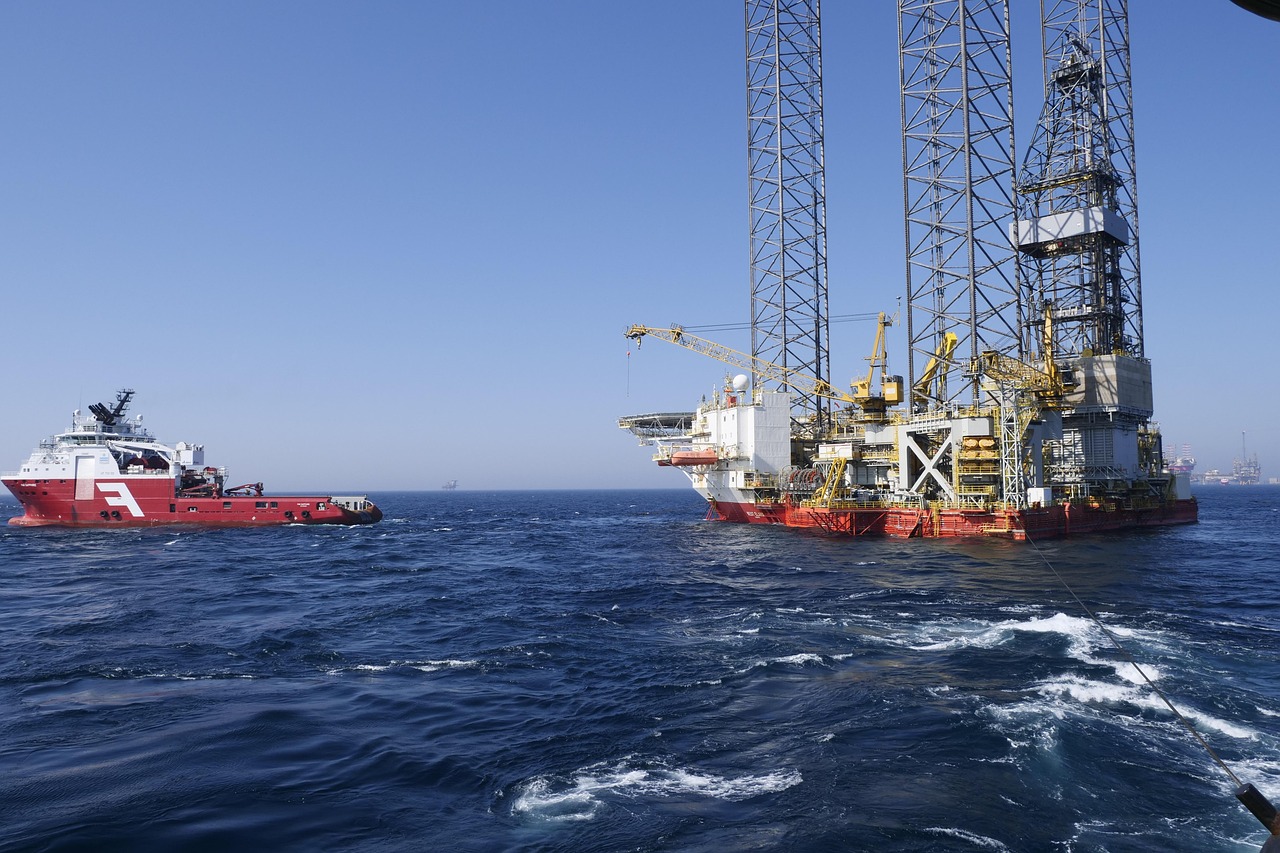
On the night of 20 April 2010, natural gas surged up a well drilled into the floor of the Gulf of Mexico, reached the drilling rig above, and ignited. The Deepwater Horizon burned for two days and sank. Eleven workers never came home.
That was only the beginning. A mile below the surface, the well was now open — and for 87 days, it bled oil into the sea. By the time it was finally capped in July, the Deepwater Horizon disaster had become the largest marine oil spill in history, and one of the most expensive corporate catastrophes ever recorded. This is what it cost — in oil, in lives, in wildlife, and in dollars.
How much oil
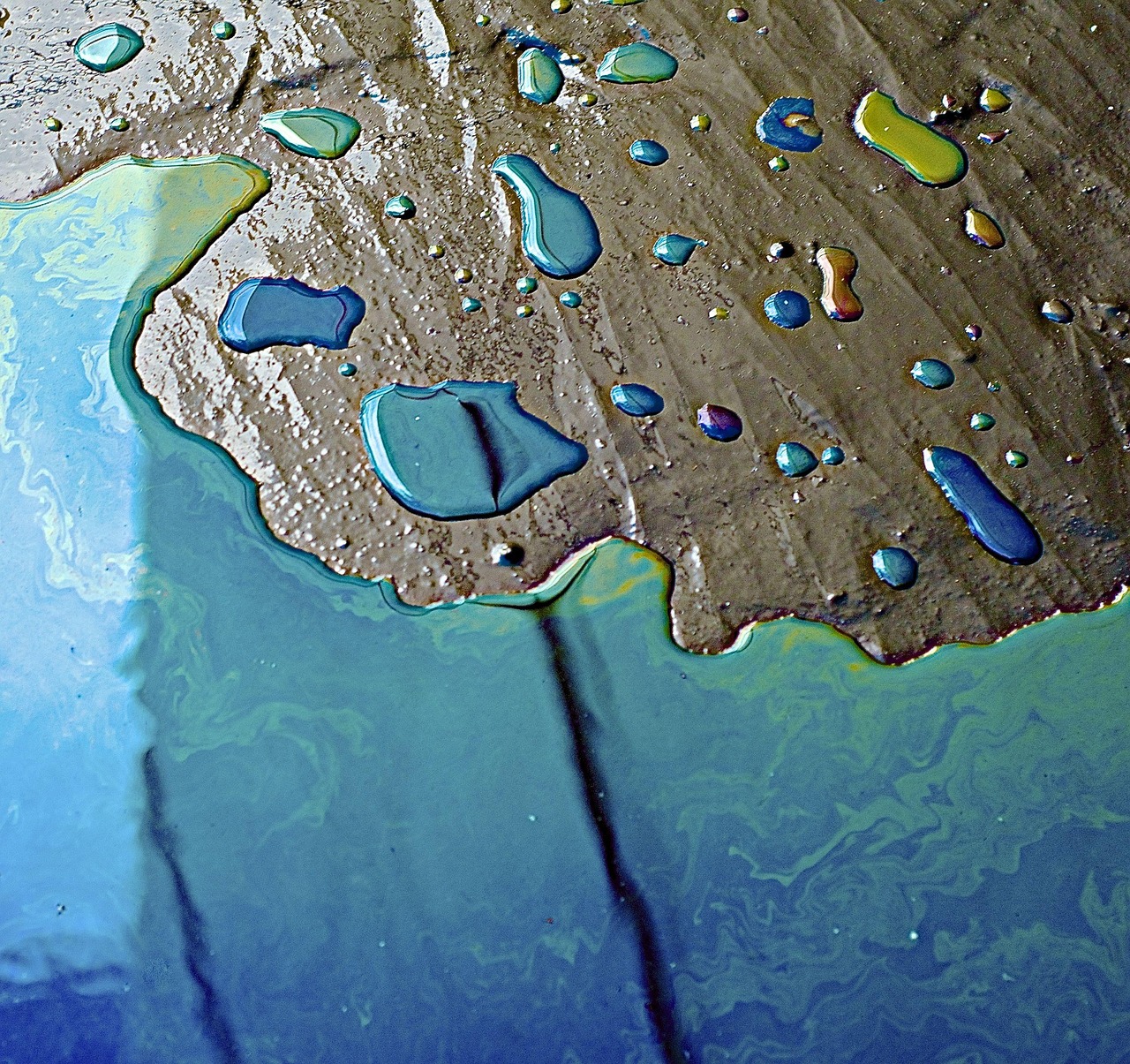
The figures are staggering, and worth stating precisely. The federal court that judged the case found that roughly 4 million barrels of oil escaped the well, of which about 3.19 million barrels — over 130 million gallons — poured into the Gulf itself, after subtracting what was captured directly at the wellhead.
To picture it: enough oil to fill the surface slick to a peak size larger than some US states, drifting across the Gulf and eventually fouling more than 1,300 miles of coastline across Louisiana, Mississippi, Alabama, Florida, and Texas — marshes, beaches, and estuaries that are among the most biologically productive habitats in North America.
What it did to the Gulf
Numbers on a settlement sheet don’t bleed. The Gulf did.
The spill hit during the spawning season for many species, in waters that feed a huge share of America’s seafood. In the years that followed, scientists documented an unprecedented die-off of bottlenose dolphins along the northern Gulf — the largest and longest on record for the region — with populations in the most heavily oiled bays suffering reproductive failure and disease. Vast numbers of seabirds died. Sea turtles, already endangered, were killed in the thousands. Deep-sea corals near the wellhead were smothered and poisoned, and oil worked its way into the marsh sediments where the food chain begins.
Some damage was visible within weeks. Some — the erosion of oiled marshland, the suppressed fish populations, the oil still buried in sediment — unfolded over years. The full ecological bill is, by its nature, one that arrives slowly and never entirely stops arriving.
The record fine
Then came the reckoning in court — and it set records.
In 2012, BP pleaded guilty to criminal charges and agreed to a criminal resolution of roughly $4 billion, at the time among the largest criminal penalties in US history. The rig’s owner and a contractor paid additional penalties of their own.
The bigger blow landed in 2015. The US Department of Justice announced a global civil settlement with BP totalling $20.8 billion — the largest environmental settlement, and the largest settlement with a single entity, in American history. It included a $5.5 billion Clean Water Act penalty, $8.1 billion for natural-resource damages (with a further sum set aside for damage not yet discovered), and billions more to compensate the five Gulf states and hundreds of local governments for economic losses.
Add cleanup, earlier compensation funds, and legal costs, and BP’s own total tab for the disaster has been estimated at well over $60 billion.
The number that isn’t on any invoice
Here is the uncomfortable coda. Twenty billion dollars is a genuinely enormous penalty — proof that, at least once, the machinery of accountability moved at real scale. It reshaped how the industry and regulators think about deepwater drilling.
And yet. Spread across 87 days of flow, 1,300 miles of coast, a decade of dead dolphins, the fishing families whose livelihoods thinned out, and an ecosystem still carrying oil in its sediment, even a record settlement starts to look like what it is: a price negotiated after the fact for something that was never really for sale. The dolphins didn’t get a cheque. The marsh didn’t.
The true cost of Deepwater Horizon isn’t the $20.8 billion. It’s everything the $20.8 billion was an attempt, and an admission of failure, to repay.
Sources & further reading
Researched and written with the help of AI tools and edited for accuracy. Provided for general information and discussion only — not professional advice. See our editorial standards and disclaimer. Spotted an error? Tell us.
Enjoyed this? Get the next one.
One good read at a time, straight to your inbox. No spam, unsubscribe anytime.