The 1989 Exxon Valdez disaster fouled 1,300 miles of pristine Alaskan coast and killed a quarter of a million seabirds. A jury tried to make the company pay. The story of what happened to that penalty over the next two decades tells you almost everything about how corporate accountability really works.
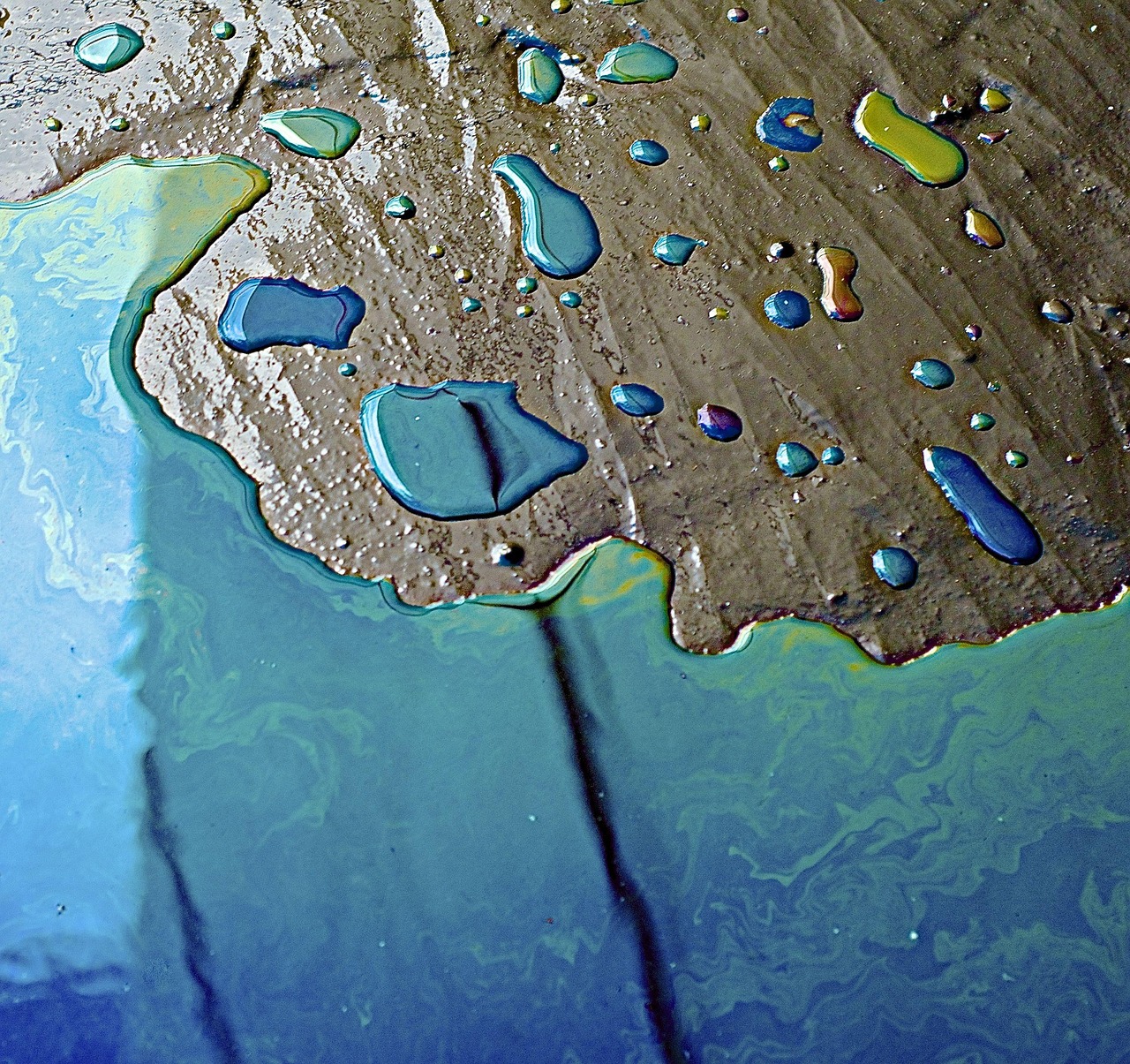
Just after midnight on 24 March 1989, the oil tanker Exxon Valdez ran aground on a well-charted reef in Prince William Sound, Alaska. Its hull tore open, and roughly 11 million gallons of crude oil — about 257,000 barrels — spilled into one of the most spectacular and untouched marine environments on Earth.
It was, at the time, the worst oil spill in American history. But the most revealing part of the Exxon Valdez story isn’t the crash, or even the oil. It’s what happened afterward, in the courts, over the following nineteen years — a slow-motion lesson in how a penalty meant to punish a corporation can be worn down to a fraction of itself.
What the oil did
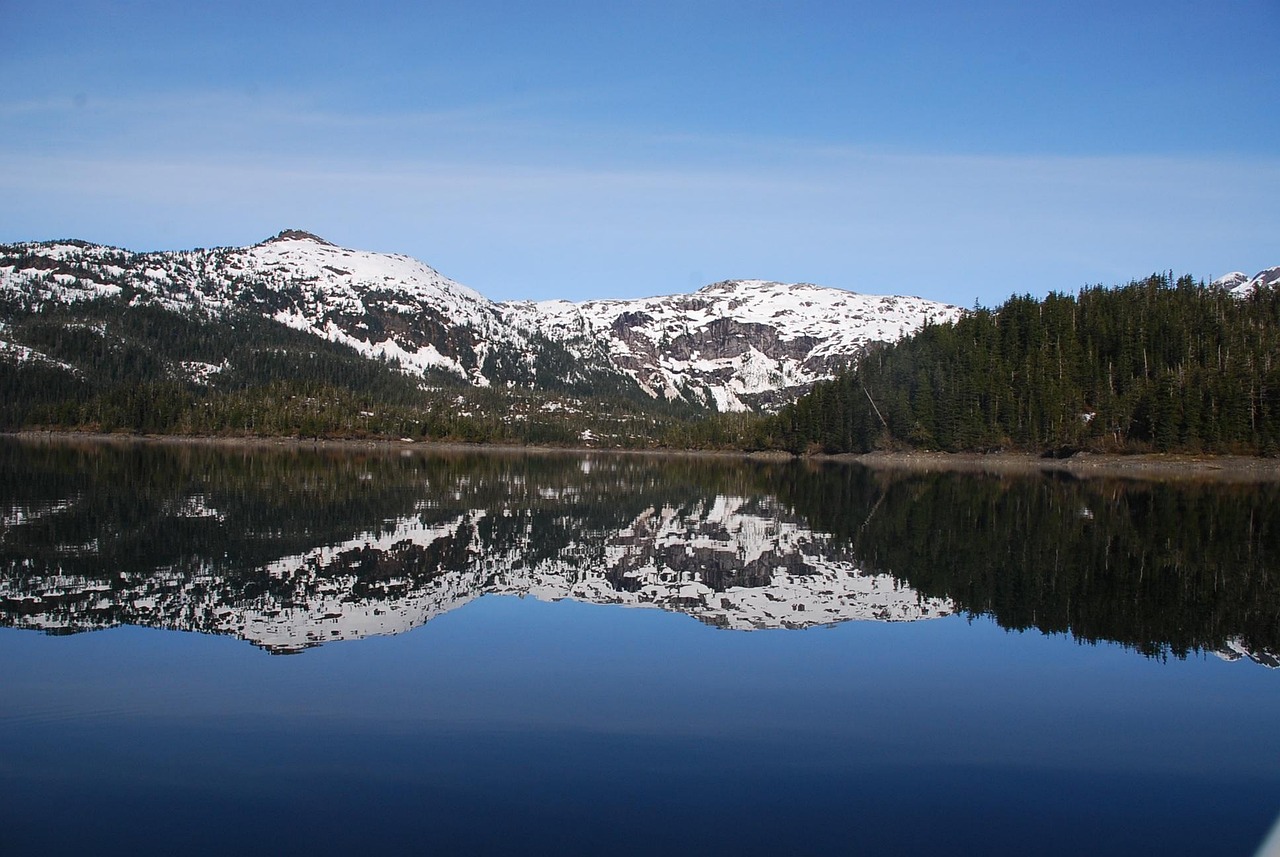
Prince William Sound is a maze of islands, fjords, and cold, teeming water. The oil spread across it and beyond, eventually coating an estimated 1,300 miles of coastline. It arrived just as the region’s wildlife was at its most vulnerable.
The toll was catastrophic and, in places, almost total. Best estimates put the death count at around 250,000 seabirds, some 2,800 sea otters, 300 harbour seals, 250 bald eagles, and roughly 22 killer whales — along with billions of salmon and herring eggs in the shallows. The local herring fishery, a pillar of the regional economy, collapsed a few years later and never truly recovered. Decades on, researchers digging into the shoreline still found pockets of Exxon Valdez oil, largely unchanged, sitting in the gravel.
The first bill: cleanup and settlement
Exxon spent enormous sums on the response — around $2 billion on the cleanup effort itself, a chaotic, only-partly-effective scramble to hose down beaches and rescue oiled animals.
Then came the legal settlement. In 1991, Exxon agreed to pay the state and federal governments about $900 million in civil damages, paid out over roughly a decade, plus a $125 million criminal resolution — a $25 million fine and $100 million in restitution. That money funded the long work of monitoring and restoring the Sound.
The penalty that shrank
The dramatic part was the punitive damages — the money meant not to compensate specific losses but to punish Exxon and deter the next company from cutting the same corners.
In 1994, an Anchorage jury weighed the recklessness that led to the disaster and ordered Exxon to pay $5 billion in punitive damages to the thousands of fishermen, natives, and others whose lives the spill had upended.
Exxon appealed. And appealed. Over the next fourteen years, the figure was ground down through the courts. An appeals court cut it in half, to $2.5 billion. Then, in 2008 — nineteen years after the spill — the US Supreme Court slashed it again, capping punitive damages at roughly $507.5 million, about one-tenth of what the jury had ordered.
Read that sequence again. A jury of citizens said $5 billion. By the time the case ended, one of the most profitable corporations on the planet paid closer to $500 million in punitive damages — for a disaster that killed a quarter of a million animals and gutted a regional economy. Many of the plaintiffs had died waiting.
The real lesson
The Exxon Valdez left two legacies. One is environmental: it forced genuine reform, including a US law requiring double hulls on tankers, and it remains the benchmark against which spills are still measured.
The other legacy is quieter and more corrosive. It’s the demonstration that when the damage is done and the case goes to court, time and legal firepower are on the side of the company. Punishment that looks fierce in a courtroom in 1994 can be a rounding error by 2008. The oil eventually washed off most of the rocks. The lesson about who really pays — and how little, and how late — never quite did.
Sources & further reading
Researched and written with the help of AI tools and edited for accuracy. Provided for general information and discussion only — not professional advice. See our editorial standards and disclaimer. Spotted an error? Tell us.
Enjoyed this? Get the next one.
One good read at a time, straight to your inbox. No spam, unsubscribe anytime.