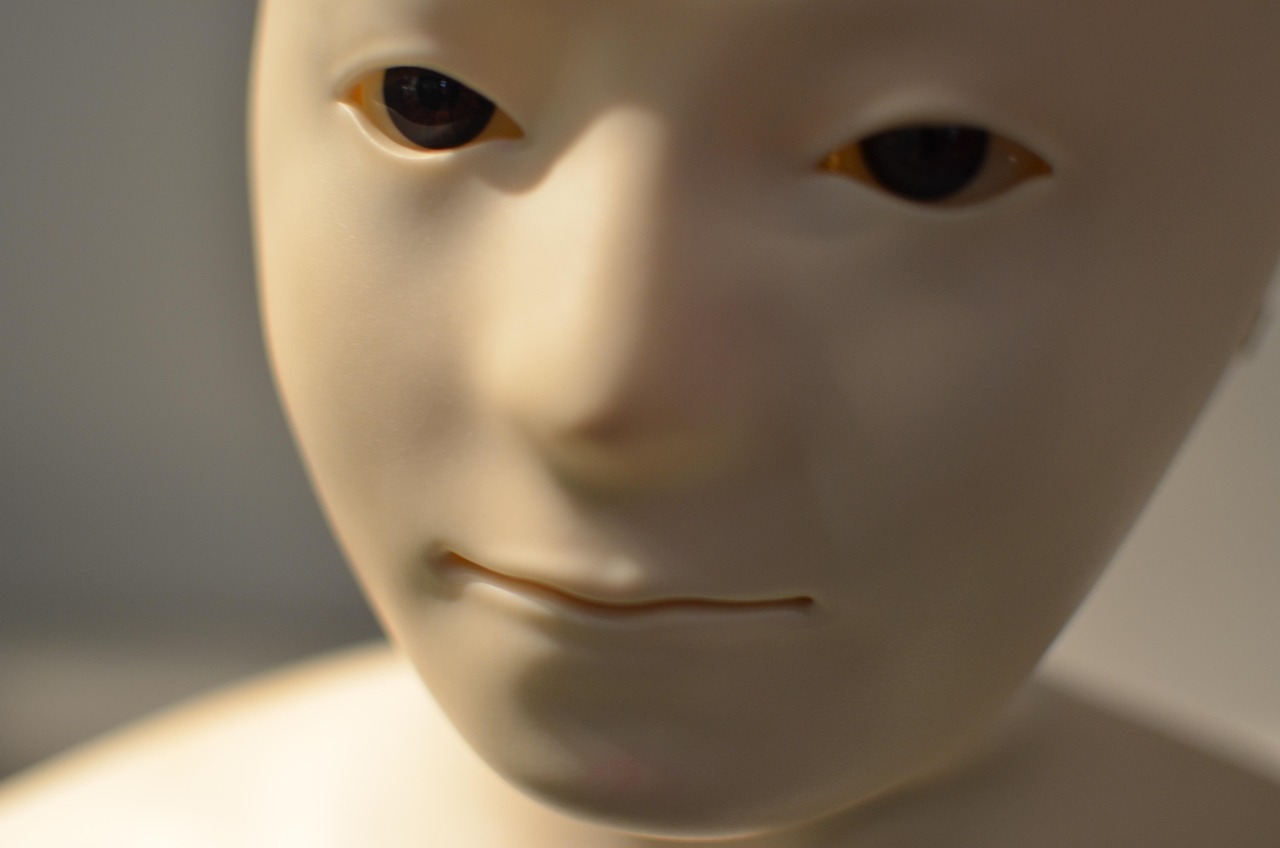
For decades, the walking, talking robot was always 'a few years away.' Not anymore. This year they started showing up on factory floors and in airports — not as demos, but as workers on the payroll.
For as long as most of us have been alive, the humanoid robot has lived in the same place: the future. Always coming, never quite here. A slick demo video, a robot doing a backflip, a promise that next year it’ll do something useful.
2026 is the year that changed. Humanoid robots stopped auditioning and started working.
From demo reel to time card
The shift is subtle but enormous. For years, the metric that mattered for a humanoid robot was how impressive its demo looked. Now the metric is different, and far less glamorous: can it show up, do a real task, and do it again tomorrow?
This year, the answer started to be yes. Robots from the startup Figure moved into real deployment at a BMW plant, working alongside human staff on genuine manufacturing tasks rather than performing for a camera. Boston Dynamics — long famous for those viral videos — began shipping its new, all-electric version of the Atlas robot to partners including the carmaker Hyundai. And it wasn’t just factories: humanoid robots were put to work at Tokyo’s Haneda Airport, one of the busiest in the world.
None of these are science projects. They’re commercial commitments, with companies betting real money that a robot shaped like a person can earn its keep.
Why “shaped like a person” is the whole point
You might reasonably ask: why build a robot that looks human at all? A robot arm bolted to a factory line is cheaper, faster, and doesn’t fall over.
The answer is that we’ve spent thousands of years building the entire world around the human body. Door handles, stairs, tools, vehicles, workbenches, shelves — all sized and shaped for us. A humanoid robot can, in principle, step into that world and use it as-is, without anyone rebuilding the factory around the machine. One robot body that can do many jobs beats a hundred specialised machines that each do one.
That’s the bet: general-purpose labour in a human-shaped package.
The hard part was never the walking
Here’s the twist the demo videos hid. Getting a robot to walk, or even backflip, turned out to be the easy part. The genuinely hard problem is the hand — the delicate, adaptive business of grasping a soft or oddly shaped object without crushing or dropping it.
That’s why so much of this year’s progress has centered on dexterity. The industry has realised that the hand, not the legs, sets the ceiling on what these machines can actually do. A robot that can walk a mile but can’t reliably pick up a loose bolt is a very expensive way to move in a straight line.
From one-offs to a production line
The other quiet revolution is manufacturing. A robot that exists as a single prototype is a curiosity. A robot you can build thousands of is an industry. This year the leading makers pushed hard on exactly that — ramping factories to produce humanoids at real volume and, crucially, at falling prices, with some aiming to build tens of thousands of units.
That’s the line between novelty and normal. When the price drops and the supply scales, robots stop being a headline and start being infrastructure.
What to actually expect
It’s worth staying grounded. A humanoid robot that can do everything a person can — cook your dinner, tidy your cluttered house, improvise around chaos — is still a way off. The first real jobs are the structured, repetitive, sometimes dangerous ones in controlled settings: moving parts, loading machines, ferrying goods across a warehouse.
But the direction of travel is now unmistakable. The humanoid robot has finally stepped out of the “a few years away” file, put on a high-vis vest, and clocked in for a shift. For a machine that spent half a century as a promise, that’s the most important thing it’s ever done.
Sources & further reading
Researched and written with the help of AI tools and edited for accuracy. Provided for general information and discussion only — not professional advice. See our editorial standards and disclaimer. Spotted an error? Tell us.
Enjoyed this? Get the next one.
One good read at a time, straight to your inbox. No spam, unsubscribe anytime.