Photo: Counselling / Pixabay
In April 2026, four astronauts left Earth orbit, looped around the far side of the Moon, and came home. It was the first crewed journey beyond low Earth orbit since 1972 — and the dress rehearsal for landing again.
Stop and sit with this for a second: until this year, no human being had travelled beyond low Earth orbit since 1972. Every astronaut for half a century — every Space Shuttle crew, everyone aboard the International Space Station — stayed within a few hundred kilometres of the planet’s surface. The Moon had been left to robots and memory.
In April 2026, that changed. Four people flew to the Moon and back.
What actually happened
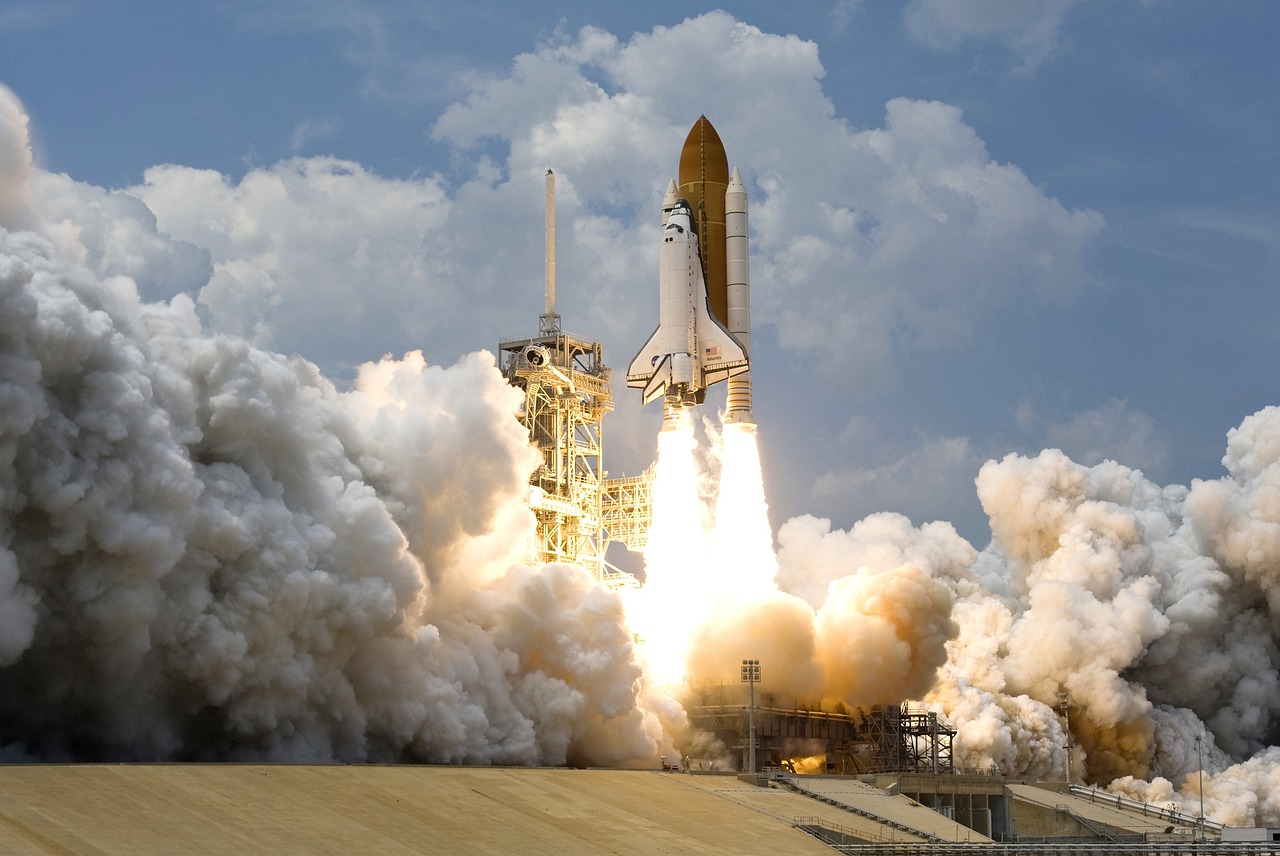
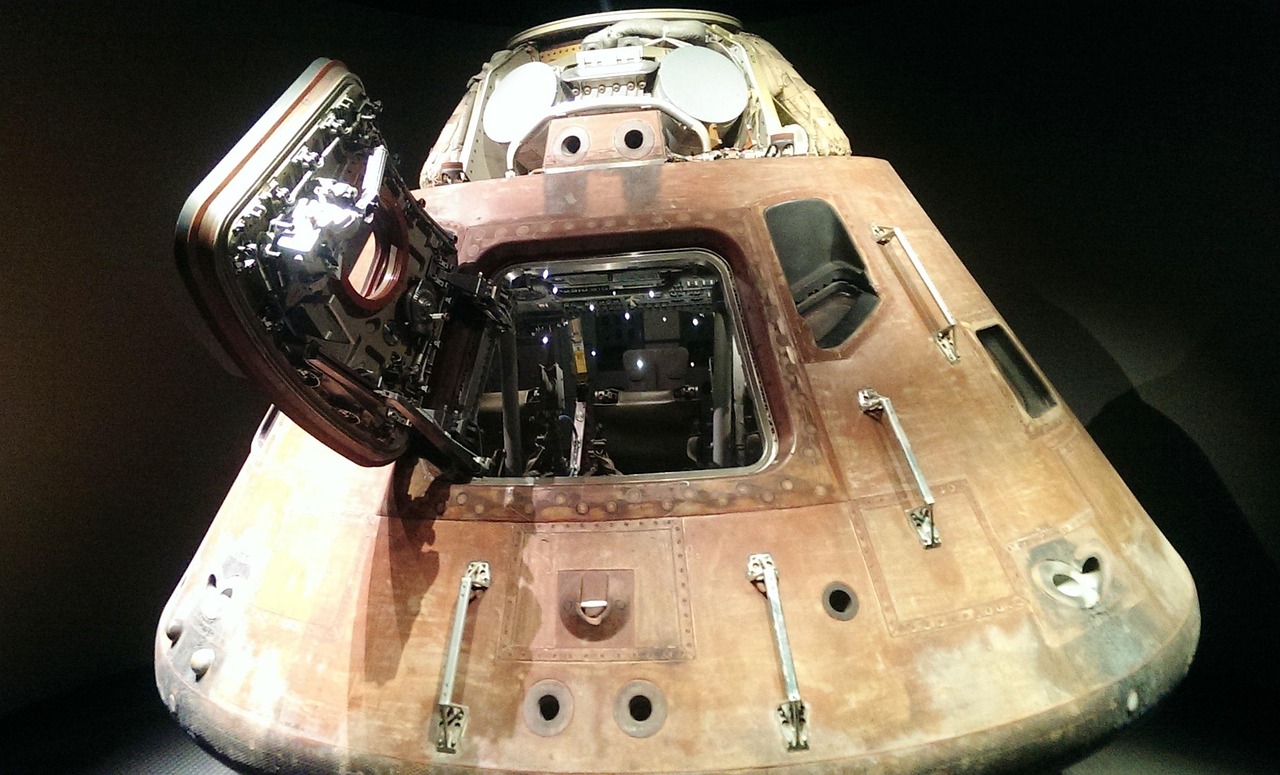
On 1 April 2026, NASA’s giant Space Launch System rocket lifted off from Florida carrying the Artemis II crew inside the Orion spacecraft. Over roughly ten days, the crew travelled out beyond the Moon, swung around it, and returned, splashing down safely in the Pacific on 10 April.
They did not land. Artemis II was a crewed flyby — a shakedown cruise to prove that the rocket, the spacecraft, and the life-support systems can safely carry humans on the long trip to lunar distance and bring them home. Think of it as the full dress rehearsal before the main event.
The crew who broke the 50-year gap
Four astronauts made the journey: NASA’s Reid Wiseman (commander), Victor Glover (pilot), and Christina Koch (mission specialist), joined by Jeremy Hansen of the Canadian Space Agency.
Their names are worth remembering, because they now sit in a very short list. They are the first humans since the crew of Apollo 17 to travel beyond the near-Earth neighbourhood — and the first ever to do so aboard this new generation of spacecraft.
Why go back at all?
The obvious question: we went to the Moon decades ago. Why is this a headline?
Because “we did it once” and “we can do it routinely” are very different things. The Apollo program was a sprint — extraordinary, but built to plant a flag and come home. The point of the Artemis program is to go back to stay: to build the capability for humans to live and work near and on the Moon, use its resources, and treat it as a stepping stone toward Mars.
That means new rockets, new spacecraft, new spacesuits, and international partners — none of which existed in the Apollo era. Every one of those systems has to be proven with real crews before anyone risks a landing. Artemis II proved a huge chunk of it.
What comes next
With the flyby behind us, the road points toward the thing everyone actually wants to see: boots on the surface again, this time including the first woman and the first person of colour to walk on the Moon, at the largely unexplored lunar south pole — a region of interest precisely because it may hold water ice, the raw material for drinking water, breathable oxygen, and rocket fuel.
There will be delays; there always are. Spaceflight is unforgiving, and doing it safely means moving carefully. But the essential thing already happened this year, quietly and successfully: humans left the cradle of low Earth orbit and went to the Moon, and came home to tell us it worked.
The half-century pause is over. The interesting part is just beginning.
Sources & further reading
Researched and written with the help of AI tools and edited for accuracy. Provided for general information and discussion only — not professional advice. See our editorial standards and disclaimer. Spotted an error? Tell us.
Enjoyed this? Get the next one.
One good read at a time, straight to your inbox. No spam, unsubscribe anytime.